The agricultural landscape is shifting rapidly. Rising input costs, stricter environmental regulations, and consumer demand for chemical-free produce are pushing farmers worldwide to rethink how they grow food. In 2025, sustainable farming is not just an ethical choice — it is a competitive advantage.
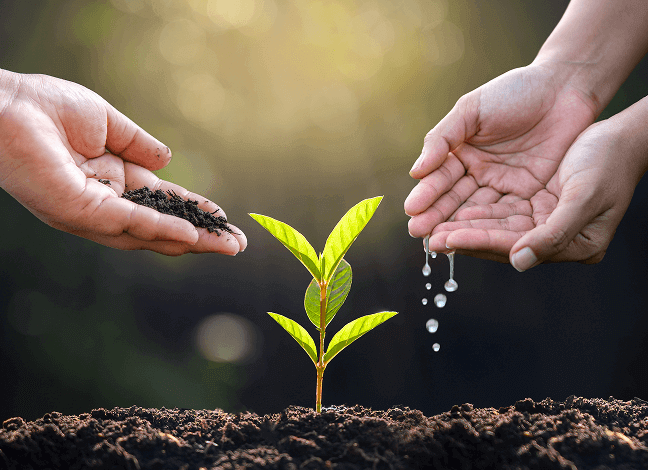
At the heart of this transition is soil health. Decades of chemical fertilizer use have depleted soils, reduced microbial diversity, and increased dependency on ever-larger doses of inputs. Regenerative practices that rebuild soil biology — including vermicomposting and organic amendments — are proving to be the most cost-effective path forward.
"Sustainable agriculture is not about doing less — it is about doing more with what nature already provides."
— Plot Pro Sustainability Initiative
From precision application of organic inputs to carbon credit programs for regenerative farms, the tools available to modern farmers have never been more diverse. Here are the practices gaining the most traction globally:
While the upfront cost of organic inputs can appear higher, the long-term economics tell a different story. Farms that adopt worm casting programs typically see reduced pesticide and herbicide spending within the first two seasons, along with premium pricing for certified organic produce. Plot Pro partners with farms across four continents to make this transition practical and scalable.